{{ ev.status }}
{{ ev.date }}
{{ ev.year }}
{{ ev.place }}
{{ ev.kind }}
{{ ev.title }}
{{ ev.body }}
{{ fa.v }}
{{ fa.l }}
{{ ev.photoCredit }}


A European cooperation project led by four universities to develop a framework and a toolbox that help higher education institutions design and run innovation challenges such as hackathons, in person or online, building on the Crunch Time model born at UTBM in 2017.
{{ p.short }}
Technology drives societal change, shaped by science, societal needs, economics, and culture. Universities play a key role in training the professionals of tomorrow to address these challenges, but innovation, creativity and the development of soft-skills cannot be easily taught in classrooms—they need practical, hands-on experiences.
Both the Crunch Time initiative and the diverse pedagogical challenges addressed by the consortium partners have highlighted how project-based learning cultivates creativity and problem-solving abilities. Students from various disciplines collaborate to solve real-world issues alongside a wide range of partners, including not only industry players but also associations, public organizations, and other entities.
By creating and sharing a comprehensive toolbox containing essential elements (teaching guidelines, frameworks, tools, etc.) for implementing pedagogical challenges focused on teaching innovation, this project will empower higher education actors worldwide to adopt this approach and join a global community.
Need an education that moves beyond passive learning to hands-on, real-world experiences.
Need reliable pedagogical tools and digital platforms to support modern teaching methods and align academic curricula with real-world skills and industry needs.
Stronger collaboration with academia to ensure graduates develop skills aligned with workforce demands, with post-event services to maintain collaboration and long-term engagement.
A Crunch Time is an innovation challenge created by UTBM. For one week, students leave their usual classes and work in multidisciplinary teams on concrete problems submitted by companies, public bodies and associations.
Supported by coaches, each team has five days to understand its problem, explore ideas, design a solution and present it to the organisation that proposed the challenge. UPSIDED studies this format and tests it in other universities, starting with HELHa in Mons.
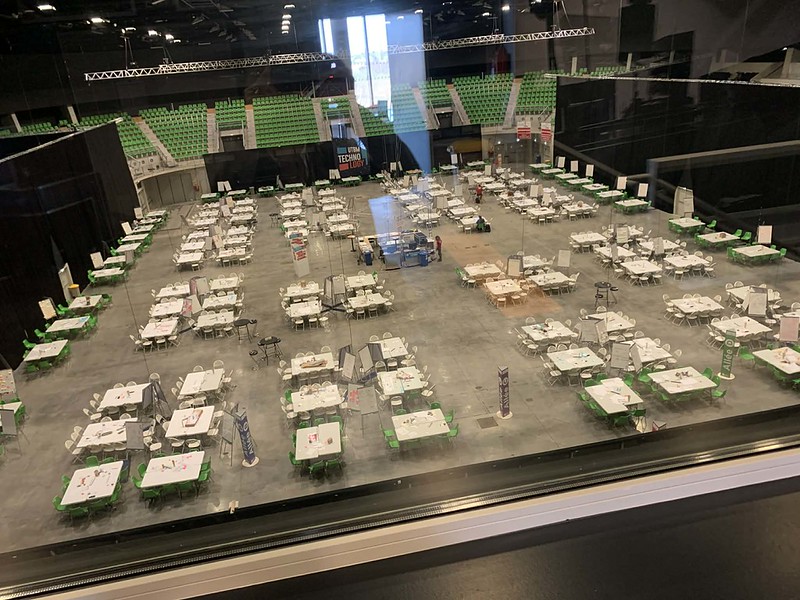
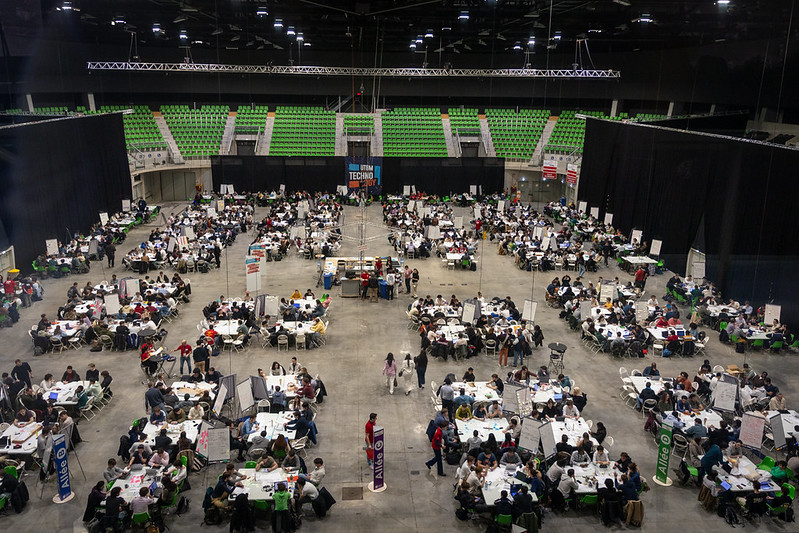
Teams discover their challenge, meet the organisation behind it and clarify the problem to solve.
Research, field questions and idea generation open up possible directions.
The team selects one idea and develops it into a concrete, tested solution.
On the last day, each team pitches its solution to the challenge owners and the jury.
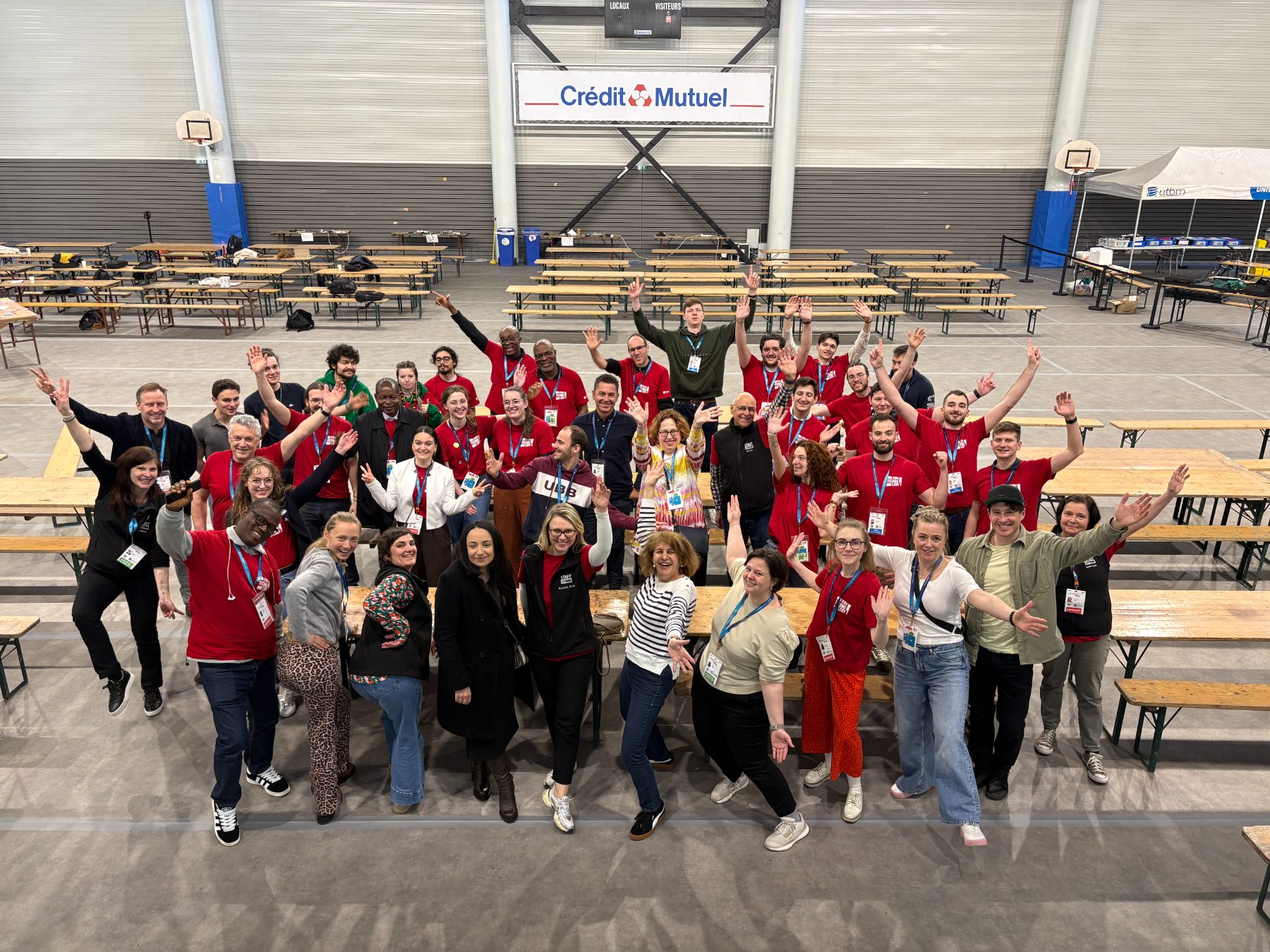
Promote and stimulate innovative teaching through innovation challenges, support higher education across Europe, and offer students a unique interdisciplinary experience.
Build networks with universities, companies, and organizations to connect students with industry, mentorship, and real-world challenges.
Develop a collaborative environment focused on innovation, sustainability, and ethical responsibility, preparing students for future challenges.
Coordination, quality, communication and reporting across the consortium for the full 36 months.
Analyse innovative pedagogical challenges to identify key success factors and develop a scalable, adaptable model that fosters creativity, problem-solving, and interdisciplinary collaboration.
Organise several pedagogical challenges, in person and in a hybrid version, to test the framework in various educational settings.
A transferable toolkit to help universities design and run innovation challenges in person or virtually, and a community linking students, academia and external organisations.
{{ ev.body }}
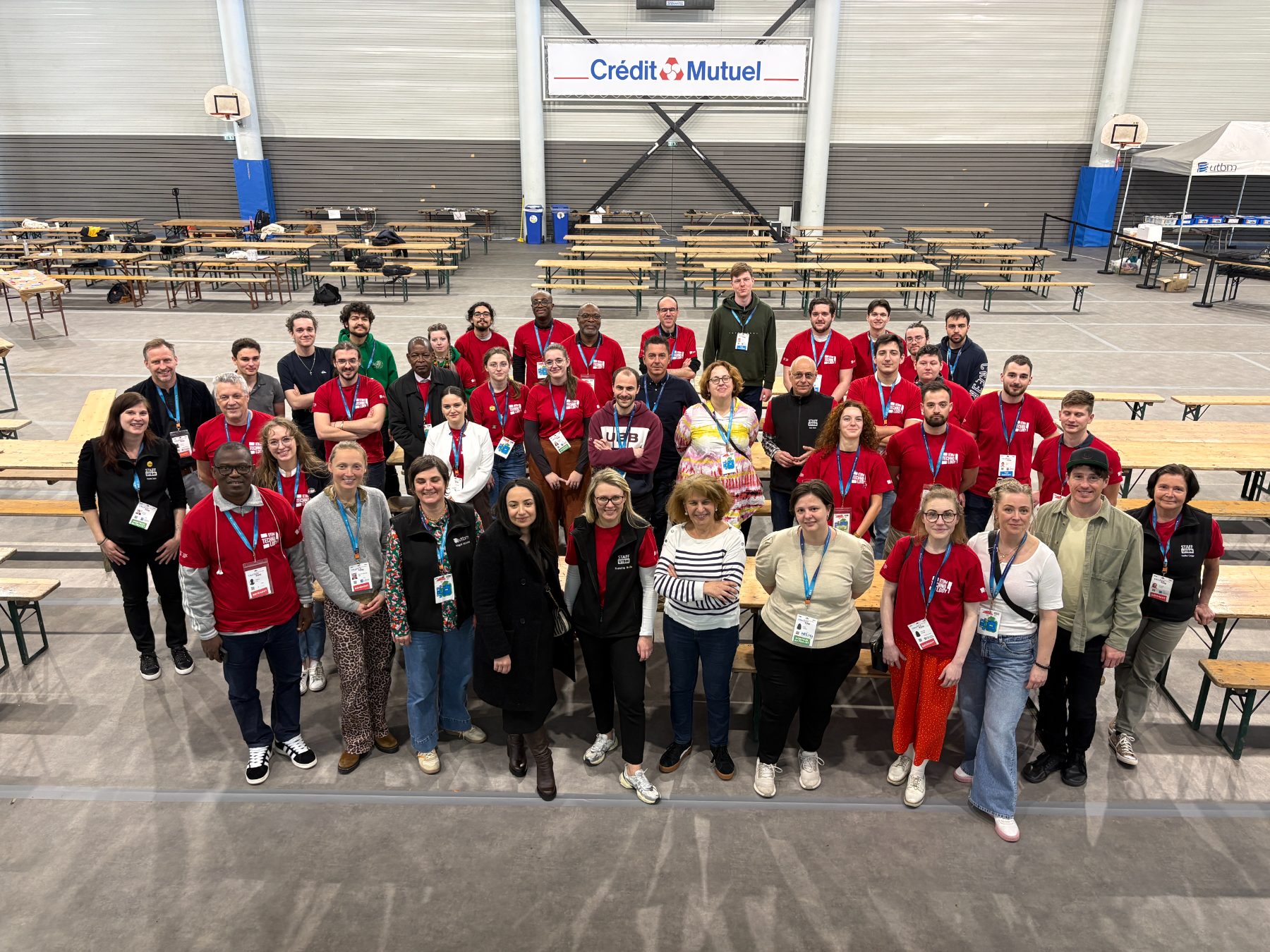
A questionnaire-based analysis of the innovation challenges run by the four partners (Business Project Week, IAthon, Dalarna 24h, Crunch Time…), with best practices, evaluation methods, a first needs analysis from field interviews, and the project’s progress report on Crunch Time 2026.
Download the report (PDF, 18 p.)The study now turns outwards, towards other universities and initiatives involving innovative teaching practices in Europe and beyond, to build a database, compare formats and define evaluation criteria.
Your university runs hackathons or design sprints? Tell usDuring Crunch Time 2026, the UPSIDED team applied the Crunch Time methodology to itself, just like the students. The challenge: design the content of a toolbox, and decide which resources a university needs to organise an innovation challenge.
The idea that emerged was a serious game as one of the tools of the future toolbox. Since September 2026, a UTBM student (France) has been working on it during an internship at HELHa (Belgium).
Difficulties identified in the self-crunch brief “Sujet A”.
UPSIDED is building a community of universities, companies, associations and students who believe innovation is learned by doing. Share a challenge format you run, propose a challenge for students, offer to coach, or simply ask to be kept informed.
Your idea has been added to the UPSIDED inbox. A member of the consortium will get back to you.
{{ para.a }}